Ealing Council rubbish rules Northolt permits and fines: a practical guide for households, landlords and businesses
If you live, work, or manage property in Northolt, rubbish disposal can get awkward fast. One missed rule, one bag left in the wrong place, and suddenly you are dealing with fly-tipping concerns, permit questions, or fines that feel wildly unnecessary. This guide explains Ealing Council rubbish rules Northolt permits and fines in plain English, so you know what matters, what usually trips people up, and how to stay on the right side of the rules without making a meal of it.
We will look at how waste collections and private removals fit together, when a permit may be needed, what happens if rubbish is dumped or stored incorrectly, and how to choose a sensible disposal method for the job in front of you. Nothing fancy. Just useful, local, real-world guidance.
Why Ealing Council rubbish rules Northolt permits and fines Matters
Rubbish rules sound boring until they affect your day. Then they become very interesting, very quickly. In Northolt, rubbish management matters because waste left out incorrectly can block pavements, attract complaints, and create a tidy little chain reaction: missed collection, neighbour frustration, enforcement action, then costs you did not budget for.
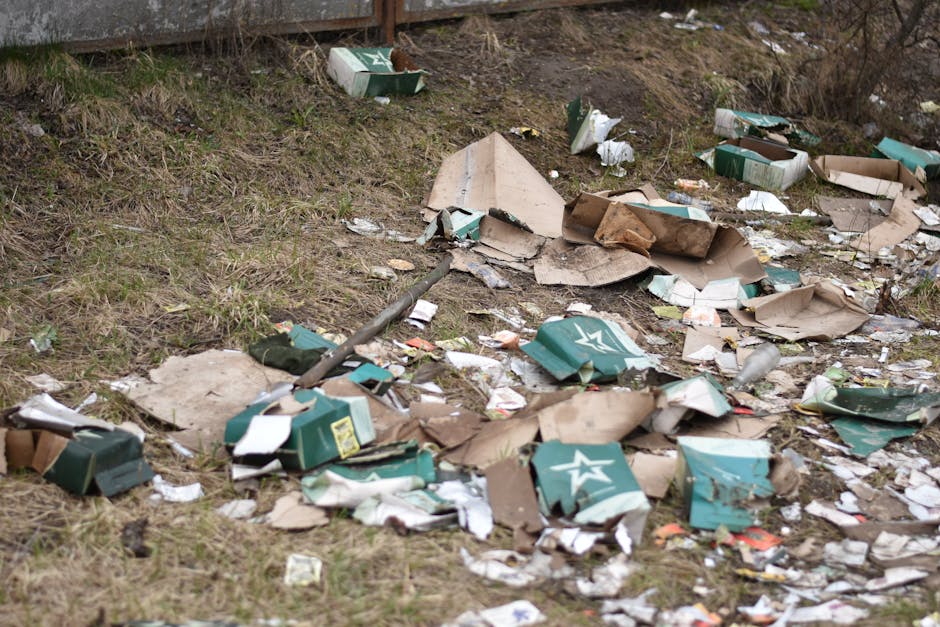
The phrase Ealing Council rubbish rules Northolt permits and fines covers a few overlapping issues. First, there are the ordinary council expectations around how and when waste should be presented. Second, there are permit-related concerns if you are putting a skip or container on the public highway. Third, there are fines and enforcement risks if rubbish is dumped illegally, left where it should not be, or handled in a way that breaks local rules.
For many people, the real issue is not the rule itself. It is not knowing which rule applies. A tenant moving out, a small business clearing old stock, or a homeowner replacing furniture can all run into different obligations. Let's face it, waste is one of those jobs people postpone until the hallway looks like a storage unit.
That is where clear guidance helps. When you understand the basics early, you can avoid last-minute panic, save money, and choose the right disposal route. If you need a broader service that handles mixed household or commercial waste professionally, you may also want to look at waste removal support in Northolt or the more tailored business waste removal option when it is commercial waste rather than domestic clutter.
How Ealing Council rubbish rules Northolt permits and fines Works
At a practical level, the system usually works like this: the council sets the local framework, residents and businesses follow the presentation and disposal rules, and permits are required in certain situations where waste containers use public space. If you are using a private waste provider, that provider still has to handle waste lawfully and safely. The council's rules do not disappear just because someone else is doing the lifting.
For example, if you are clearing a flat on a narrow street and thinking about hiring a skip, you need to consider whether the skip will sit on private land or on the road. If it is on the road, a permit is commonly the issue to check. If it is on your driveway, the permit question may go away, but access and loading still matter. Small detail, big difference.
Fines and enforcement tend to come into play when waste is abandoned, fly-tipped, badly presented, or placed in a way that causes obstruction or nuisance. In plain English, this can include:
- leaving rubbish bags out on the wrong day or for too long
- putting waste next to full bins rather than dealing with excess waste properly
- dumping bulky items in communal areas
- using an unlicensed operator who does not dispose of waste correctly
- placing skips, bags, or containers in a way that breaches permit conditions
If you are unsure whether an item is awkward or risky, treat it that way. Hazardous or specialist waste needs extra care. A good starting point is hazardous waste disposal guidance, especially for items like chemicals, paint, or anything that should not go in ordinary mixed waste.
There is also a practical side to all this. Some jobs are simply easier when waste is separated by type. For instance, furniture, white goods, mattresses, garden debris, and builders' rubble all behave differently in terms of loading, transport, and disposal. A service like mattress and sofa disposal or fridge and appliance removal can be a more sensible fit than trying to squeeze everything into one generic route.
Key Benefits and Practical Advantages
Following the rules is not just about avoiding trouble, although that is a decent reason on its own. It also makes waste clearance smoother, cheaper in the long run, and less stressful. That matters whether you are clearing one overflowing garage or managing regular waste for a small office.
Here are the main practical advantages:
- Less risk of fines: when waste is put out correctly, you reduce the chance of enforcement issues.
- Better neighbour relations: nobody enjoys bins blocking a pavement or bags sitting out in the drizzle for three days.
- Cleaner site conditions: a controlled clearance is safer and less chaotic.
- Improved recycling potential: separating items properly can keep reusable or recyclable materials out of general waste.
- Faster completion: if waste is organised, clearance usually goes much more smoothly.
There is also a surprisingly underrated benefit: peace of mind. You know the job is being handled properly. That may not sound dramatic, but when you are juggling move-out dates, builders, keys, or a shop refit, it matters.
If you are comparing services, the kind of item being removed often shapes the best route. For instance, bulky domestic furnishings may suit furniture clearance or furniture disposal, while mixed home contents might be better handled through house clearance or a broader home clearance.
Who This Is For and When It Makes Sense
This topic matters to more people than you might think. It is not just for landlords with problem tenants or builders with skip plans. In practice, the rules and permit questions affect a lot of everyday situations.
- Homeowners clearing lofts, garages, gardens or spare rooms
- Tenants moving out and leaving behind bulky waste or mixed rubbish
- Landlords and letting agents managing end-of-tenancy clearances
- Businesses with office furniture, packaging waste, or stock clearance needs
- Contractors and tradespeople dealing with builders' waste or renovation debris
- Residents in flats or shared buildings where communal waste areas can get messy fast
It also makes sense if you are choosing between council collection, a skip, a man-and-van clearance, or doing the job yourself. To be fair, the "best" option is often the one that matches the size of the job and the access you have. A single recliner chair is not a skip problem. A full property clearance in a tight Northolt street? That is another story entirely.
For example, if you are clearing out a loft full of odd items, you may want a specialist loft clearance. If it is a shed, a pile of soil, and tangled garden waste after a weekend of cutting back hedges, then garden clearance may be the more sensible route. Little distinctions like that save a lot of headaches.
Step-by-Step Guidance
Here is the cleanest way to approach rubbish rules, permits, and fines without overcomplicating things.
- Identify the waste type. Is it general household rubbish, bulky furniture, garden waste, construction debris, electrical items, or something hazardous?
- Check where it will be stored. Private land and the public highway are treated differently. A skip on a driveway is not the same as a skip on the street.
- Think about volume and access. A few bags, a sofa, or a full renovation load all lead to different decisions.
- Separate anything special. Appliances, confidential materials, recyclable items, and hazardous waste often need separate handling.
- Choose the right disposal route. Council collection, skip hire, or a professional clearance each suit different circumstances.
- Confirm permit needs before delivery. If anything is going onto a highway, check permit requirements first, not after.
- Keep the area tidy while waiting. This is the bit people skip, then regret. Loose bags, exposed cardboard, and scattered rubble create avoidable issues.
- Get proof and clarity. If using a waste operator, make sure you understand what is collected, what happens next, and what is included.
A small real-world moment: someone is usually in a hurry when waste becomes a problem. A landlord has keys back at 4pm. A family has a moving van outside. A builder has another job tomorrow. That is exactly when people cut corners. Don't. The extra ten minutes upfront is cheaper than sorting out a fine later.
If you want more certainty on what can be placed together, the guide to what can go in a skip is a useful reference point before you book anything substantial.
Expert Tips for Better Results
In our experience, the best waste jobs are the boring ones. Everything is labelled, nothing is left to guesswork, and nobody is trying to wing it at the kerb the night before collection. That is usually how problems are avoided.
Here are the habits that make the biggest difference:
- Photograph the waste before collection. Useful for quotes, planning, and clarity about volume.
- Keep recyclable materials separate if practical. Cardboard, metal, wood, and clean furnishings may follow different disposal routes.
- Do not mix hazardous items in with general waste. Even a small amount can change how the whole load must be handled.
- Choose a provider that explains the process clearly. If nobody can explain how waste is loaded, transported, or disposed of, that is a warning sign.
- Allow a bit of spare time. Waste jobs have a habit of taking longer than expected, especially in shared buildings or tight streets.
Another practical tip: if you are dealing with business waste, paperwork and confidentiality matter too. Old files, printed records, and office storage can create a separate compliance issue. In those cases, confidential shredding can be a sensible part of the plan rather than an afterthought.
And yes, if your office has the world's most stubborn photocopier from 2009, the answer is not always "drag it to the nearest skip and hope for the best". It's usually more organised than that.
Common Mistakes to Avoid
The biggest mistakes are rarely dramatic. They are usually ordinary, slightly rushed decisions that snowball.
- Assuming all waste can go out the same way. Bulky waste, garden waste, electricals, and rubble do not always follow the same route.
- Forgetting about permit requirements. If you need to place a container on the street, checking first saves trouble.
- Leaving rubbish where it can obstruct others. Pavements, shared entrances, and communal bin stores are common trouble spots.
- Using an unverified clearance service. If waste is fly-tipped later, the original producer can still end up with questions to answer.
- Overfilling containers. This can create safety issues and make collection difficult.
- Ignoring awkward items. Fridges, mattresses, sofas, and appliances need more thought than a general mixed load.
One of the most common misunderstandings is that "it's only a few items" means the rules are relaxed. Usually, they are not. Small volume does not always mean small consequence. A single heavy appliance left wrong can still cause issues.
If you are clearing a room or flat, a tailored service can reduce the risk of these mistakes. See flat clearance for smaller living spaces or office clearance when desks, chairs, filing units and packaging are the main issue.
Tools, Resources and Recommendations
You do not need a truckload of tools to manage rubbish properly. What you do need is a decent process and a few sensible checks.
A useful household or site toolkit might include:
- heavy-duty bin bags or rubble sacks
- marker pens or labels for sorting
- gloves and basic protective gear
- tape or straps for securing loose items
- a notepad or phone notes for item lists and measurements
- photos of access routes, entrances, and tight corners
For property clearances, the more useful resource is often planning time. Knowing whether waste is from the loft, garage, garden, or a full property makes the job easier to scope. That is one reason services like garage clearance and house clearance exist as separate options rather than one vague catch-all.
If you are doing this as part of a renovation or trade job, builders' debris deserves special attention. Broken plaster, timber offcuts, tiles, packaging, and mixed construction waste often need a different handling plan. In that case, builders waste clearance can be the most practical route.
There is also the sustainability angle. Not every waste job needs to become a landfill-heavy operation. Sorting usable and recyclable items carefully can make a real difference. If that matters to you, take a look at recycling and sustainability guidance before deciding how to proceed.
Law, Compliance, Standards, or Best Practice
While local handling rules can feel fiddly, the underlying principle is simple: waste must be managed safely, legally, and in a way that does not cause nuisance or environmental harm. In the UK, that generally means using responsible carriers, keeping waste contained, and following any permit or placement conditions that apply to your situation.
Best practice usually includes the following:
- make sure waste is transferred to a legitimate, traceable disposal route
- do not put prohibited or hazardous items into general waste streams
- keep public spaces clear unless permission has been obtained
- store waste securely to reduce litter, spillages, or pest problems
- keep records or invoices when waste is removed professionally
For business users, compliance is even more important. Office and trade waste can create duty-of-care issues, and poor handling can become expensive quickly. If you are unsure about regular collection arrangements, business waste removal is usually worth considering before storage gets out of hand.
There is a practical reason to be cautious here: councils and enforcement bodies usually care less about excuses and more about what was done, where it was left, and who handled it. Harsh, perhaps, but that is the reality. The good news is that careful planning keeps you out of that zone.
Options, Methods, and Comparison Table
Choosing the right disposal method is mostly about volume, access, and waste type. Here is a simple comparison to help with the decision.
| Method | Best for | Permit likely needed? | Main advantage | Main drawback |
|---|---|---|---|---|
| Council collection | Standard household waste and some bulky items | No, in most cases | Simple for routine disposal | Limited flexibility and timing |
| Skip hire | Moderate to large loads, renovation waste, mixed clearances | Sometimes, if placed on the highway | Good for larger volumes | Space and permit considerations |
| Man-and-van clearance | Bulky items, mixed domestic waste, quick removal | Usually not for the customer, depending on placement | Fast and flexible | Needs a clear scope before booking |
| Specialist disposal | Appliances, mattresses, sofas, hazardous items | Not usually the main issue | Proper handling of difficult items | May need separate arrangements |
The table is not a rulebook, but it helps narrow things down. If you are dealing with one or two awkward items, specialist removal may be the cleaner choice. If you are clearing an entire property, a bigger coordinated service is often easier than piecemeal disposal.
Case Study or Real-World Example
Here is a realistic Northolt-style scenario.
A family is moving out of a terraced house near a busy residential road. The loft has boxes, an old wardrobe, broken suitcases, and a few bags of mixed clutter. The garage contains garden tools, a rusty bike, and a fridge that stopped working months ago. They first think about leaving it all for collection at the end of the week. Then they notice the pile is getting too large for the pavement space outside the house. Not ideal.
After checking the access and the type of waste, they split the job into sections: the fridge is handled separately, the furniture is cleared through a proper service, and the mixed clutter goes through a broader house clearance. That means less risk of obstruction, less stress on moving day, and no last-minute scramble for an emergency solution.
The key point is not that one method is universally better. It is that the waste type, the street layout, and the timing all matter. In a compact area like Northolt, those details can decide whether a clearance feels smooth or messy. Sometimes the annoying little things are the ones that save the day.
Practical Checklist
Use this checklist before you put anything out, book a skip, or arrange a clearance.
- Have I identified exactly what needs removing?
- Do any items need separate handling, such as appliances or hazardous waste?
- Will anything be placed on a public road or pavement?
- Do I need a permit or special permission first?
- Have I checked access, loading space, and parking?
- Are reusable or recyclable items separated where practical?
- Have I chosen a lawful, suitable disposal route?
- Do I know what the provider will and will not take?
- Have I removed anything confidential or sensitive from the load?
- Is the waste stacked safely and not blocking neighbours or pedestrians?
If you can tick all of those off, you are in good shape. If several are still up in the air, pause and sort them before the waste leaves the property. That small delay is often the difference between an easy clearance and a headache.
Conclusion
Ealing Council rubbish rules Northolt permits and fines can feel a bit tangled at first, but the logic is straightforward once you separate the issues: what the waste is, where it is going, whether it needs a permit, and how to avoid unnecessary enforcement trouble. Most problems come from rushed decisions, not bad intentions.
Whether you are clearing a home, preparing a rental property, managing office waste, or dealing with builders' debris, the safest route is the one that matches the waste type and the location properly. Be organised, ask the right questions, and do not leave the awkward bits until the last minute.
Get a free quote today and see how much you can save.
And if you want the job handled with less fuss and fewer surprises, that is usually the smartest move. Waste should clear the space, not your patience.
Frequently Asked Questions
Do I need a permit to put a skip out in Northolt?
If the skip is going on private property, a permit is usually not the issue. If it needs to sit on a public road or highway, permit requirements are commonly involved. The exact position matters more than people expect, so check before delivery.
What happens if I leave rubbish on the pavement?
Leaving waste on the pavement can create obstruction, nuisance, and enforcement risk. Even if the intention is to deal with it soon, waste left in a public place can still lead to problems if it is not managed properly.
Can I put furniture with my normal rubbish?
Sometimes, but not always in the same way or through the same route. Large furniture often needs separate handling because it is bulky and difficult to move. Services such as furniture clearance or furniture disposal are often the cleaner option.
Are mattress and sofa disposals treated differently?
Yes, they can be. Mattresses and sofas are bulky items and may need specific handling depending on condition, material, and collection method. If you have one or two items, a dedicated removal route is often easier than trying to mix them with general waste.
What are the most common fines people run into?
The most common problems tend to involve illegal dumping, waste left in the wrong place, obstructing pavements, or using a poor-quality operator. The exact enforcement outcome depends on the circumstances, but it is usually avoidable with a bit of planning.
Can I put builders' waste in a domestic bin?
Usually not in any meaningful volume. Builders' waste such as rubble, plaster, timber, and mixed renovation debris is generally better handled through a proper builders waste clearance route or another suitable waste service.
What if I have hazardous waste like paint or chemicals?
Do not mix hazardous materials into normal household rubbish. They need careful handling and a specific disposal approach. If you are not sure what counts as hazardous, it is safer to treat the item cautiously and get guidance first.
Is business waste treated more strictly than household waste?
Business waste often carries extra duty-of-care expectations, especially if it includes documents, stock, packaging, or electrical equipment. Businesses should be particularly careful about regular collection, documentation, and lawful disposal.
What is the best option for a flat clearance in Northolt?
That depends on the volume, access, and waste type. A flat clearance is often the most practical option for a full or partial property clear-out, especially where stairs, narrow hallways, or shared entrances make DIY removal awkward.
How do I avoid getting caught out by permit issues?
Work out exactly where the container, skip, or waste load will sit before anything is booked. If the arrangement touches public land, assume permit questions may apply and check early. It is much easier than changing plans at the last minute.
Can recycling help reduce waste costs or fines?
It can help in a practical sense because separating recyclable items often makes the job cleaner, safer, and easier to plan. It also supports better disposal habits, which is useful if you want to avoid waste being handled carelessly.
Where should I start if I am not sure what service I need?
Start by listing the items, estimating the volume, and checking whether anything is hazardous, bulky, or confidential. From there, a service like home clearance, office clearance, waste removal, or a specialist item removal page can help narrow the right option.