Commercial Waste in Northolt
Commercial waste in Northolt needs a practical, consistent service that can deal with everyday business rubbish, larger clear-outs and routine recyclable materials without disrupting work. Our service is set up for organisations that need reliable collection and responsible handling of mixed commercial waste, with options that can suit offices, shops, workshops and other premises. The aim is straightforward: remove waste safely, keep the process manageable and help you maintain a tidy working environment with clear, sensible disposal.
We handle a broad range of commercial waste streams through a service that can be matched to the type of materials you need removing. That may include general business rubbish, office items, bulky fixtures, redundant fittings and other non-hazardous waste that has built up over time. Where items need separating for recycling or specialist handling, we work with the material type rather than treating everything the same. Careful sorting matters because it supports better disposal decisions and helps avoid unnecessary handling later.
For many businesses, the most useful service is one that is simple to plan. You can use our pages to understand the different waste-removal options, compare related services and request a quotation when you are ready. If you are planning a clear-out, start by identifying the main waste types and the likely volume; then choose the service that best matches the job. If you only need a quick next step, you can ask for a quote and share the details that matter most.
Business waste collection options
Our business waste removal service is designed for commercial premises that produce regular or occasional waste that needs taking away in a structured way. It can suit offices, retail units, small industrial spaces and service businesses with non-domestic waste that should not be left for ordinary household collection. The service is useful when you need a cleanout, a one-off clearance or a recurring arrangement for waste that accumulates through day-to-day trading. The focus is on removing waste in a way that is orderly, practical and appropriate to the material.
Depending on what you need removed, a collection may involve bagged rubbish, cardboard, packaging, shelving, desks, counters, mixed office items or other bulky objects that no longer serve the business. We also provide related disposal services for items that need a more specific route, such as furniture or appliances. When you are comparing options, it helps to think first about access, the type of items and how much sorting will be needed. A clear description of the waste makes the quotation process more useful.
- Routine commercial rubbish and office waste
- Bulky fixtures, fittings and redundant items
- Mixed loads that need sorting before disposal
- Targeted removal for furniture, appliances and similar materials
Office and workplace clearances
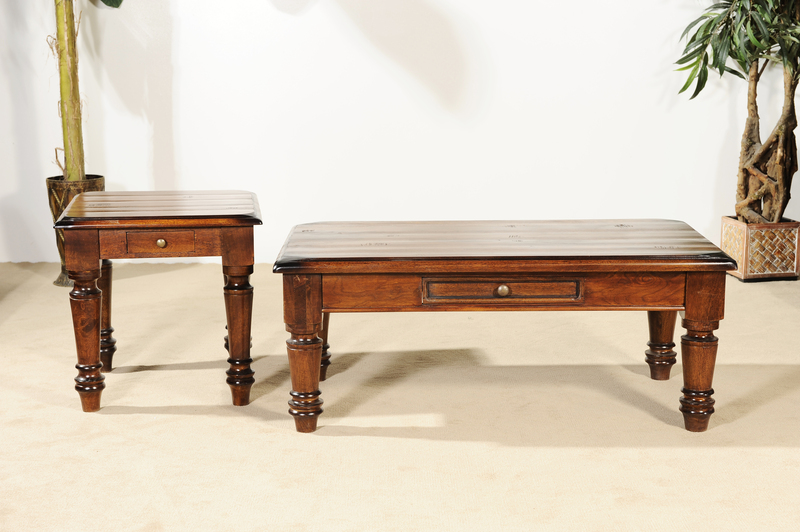
Office clearance is often needed when a workplace is changing layout, reducing space, replacing furniture or closing part of an operation. We can help remove desks, chairs, cabinets, partition materials, filing units and general office clutter so that the area can be used properly again. This is useful when waste is not just rubbish but a mixture of reusable, recyclable and disposable items that have to be handled with some care. Organised removal makes the process easier to control and reduces the chance of valuable items being mixed in with disposal waste.
Our office waste removal page covers the type of work involved in taking away commercial items that no longer fit the workplace. For some premises, the main task is simply clearing accumulated objects from a few rooms; for others, the job may involve a larger decommissioning or internal move. Where confidential material is present, there may be a separate need for shredding or secure handling, and it is important to match the service to the contents rather than sending everything into a general waste stream. That kind of decision affects how the work is planned and what information is needed.
When requesting a quotation, it helps to note the approximate quantity of furniture or waste, any stair access, whether items are fixed or free-standing and whether loading can be done from a loading bay or frontage. You do not need to prepare a full inventory before making contact, but a brief outline of the work helps with accuracy. If you are not sure which service suits the job best, describe the items and the location and the right option can usually be identified from that information.
Bulky items and fitted contents
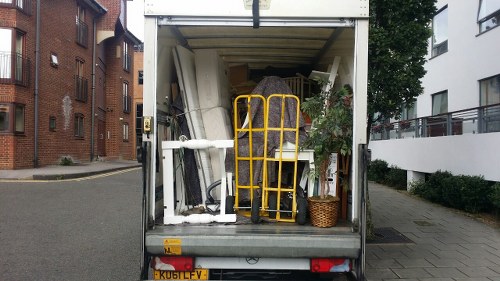
Many commercial premises need help with bulky items that cannot be handled as ordinary bags of waste. This may include furniture disposal, appliance removal, shelving, counters, display units, mattresses, sofas or mixed furniture waste from an office, retail space or managed property. Choosing the right route matters because not every item is processed in the same way. Some materials are suited to recycling or parts recovery, while others require a different disposal method depending on their construction and condition.
We offer related disposal pages for specific item types so that you can match the service to what you need removed. For example, furniture clearance can suit mixed items from a workplace or commercial unit, while furniture disposal or appliance removal may be more appropriate when the load is narrower and more defined. The more clearly the items are described, the easier it is to judge the right service and the more useful the quotation will be. That is especially true where heavy objects, awkward dimensions or stair access are involved.
Useful details for this sort of work usually include whether the items are dismantled, how many floors are involved, whether anything is fixed to the building and whether the load contains recyclable materials mixed with general waste. You can keep this simple: one paragraph of description is usually enough to begin. Short, accurate notes about the contents often save time later and help make the collection plan more practical.
Waste streams and specialist handling
Some commercial waste requires a more selective approach than ordinary mixed rubbish. Confidential shredding, hazardous waste disposal and appliance-specific disposal are examples where the material itself determines the handling route. These services are useful when the waste contains sensitive documents, potentially harmful substances or components that should not simply be mixed into a general load. The key decision is not just how much waste there is, but what the waste is made of and how it should be removed safely.
Our hazardous waste disposal page is relevant where the contents need proper segregation and careful treatment. Likewise, confidential shredding is designed for business paperwork that should be destroyed securely rather than put into standard waste. For appliances, fridges and similar items, specialist handling may be needed because of the materials and components involved. If you have a mixed load, it is often better to separate these items before collection so that the right service can be chosen for each part of the job. That approach is more orderly and easier to plan.
When preparing for a quotation, it is sensible to note whether the waste is mixed or specific, whether any items contain liquids or residues, and whether anything is likely to require extra care in loading. In many cases, you can keep the preparation simple by grouping similar items together and identifying the main categories. If you have questions about what belongs in which service, use the nearest matching page to decide how to describe the work before you request the price.
Recycling, sorting and responsible disposal
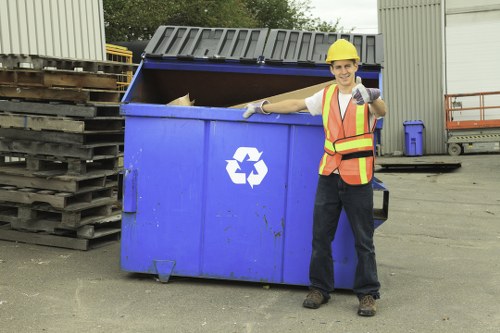
Responsible commercial waste removal is not only about taking items away; it is also about deciding what can be reused, recycled or passed to an appropriate disposal route. Our recycling and sustainability information explains the wider approach to handling waste in a way that supports better material recovery where possible. This matters across many jobs, from office clear-outs to furniture disposal, because a single load may contain several different material types that should not all be treated alike. Careful sorting can help keep disposal efficient and more environmentally considered.
The service itself can involve separating cardboard, metal, wood, plastics and mixed waste so that each part is dealt with in the most suitable way available. Items that are still structurally sound may be handled differently from broken or contaminated materials, and that distinction is one reason why item descriptions matter. Where there are unusual materials or business-specific waste streams, it is better to mention them early so that the collection can be planned with the right disposal route in mind. A focused description helps avoid unnecessary back-and-forth.
Commercial clients often find it helpful to think in terms of three simple questions: what is the material, how much is there and how accessible is it? Those questions are enough to guide most quotations. If the load includes a mixture of recyclable and non-recyclable waste, say so plainly. If you are unsure about a specific item, include it in the enquiry description and note that it may need checking before collection.
Pricing and quotation details
Quotation requests for commercial waste removal are usually shaped by a few practical factors rather than a fixed one-size price. The type of waste, the total amount, the ease of access and whether any specialist handling is needed all affect how the job is assessed. A mixed office clearance will usually be judged differently from a narrow, item-specific disposal job. For that reason, a useful quote starts with a plain description of what needs removing and where the waste is located within the premises.
It can also help to mention whether the waste is ready at the kerbside, in a basement, on an upper floor or spread across several rooms. If there are loading restrictions, limited parking, a shared entrance or a need to work outside certain hours, those points are worth including because they affect the practicality of the collection. The more realistic the picture, the more useful the quotation will be. If you prefer, you can prepare the details in a simple checklist before you get in touch.
Two quick pointers make the process easier: group similar items together where possible, and note any objects that might need separate treatment. That is often enough for an initial assessment. If the waste is part of a larger clearance, mention the main areas involved and whether you want one-off removal or a broader emptying of the space. Clear information usually leads to a better match between the service and the job.
About Northolt
Northolt is a district in the London Borough of Ealing in west London, with a history shaped by older settlement, transport change and twentieth-century suburban growth. The area is known for Northolt tube station on the Central line, which opened in 1948, and for the former Royal Air Force station at RAF Northolt, a long-established military site that has remained an important local landmark. The district includes residential streets, local shopping areas and green spaces that give it a varied character rather than a single uniform centre. Northolt Park, a railway station on the Chiltern Main Line, sits near the boundary with neighbouring areas and adds to the transport mix. The Grand Union Canal runs nearby, linking the district to a wider corridor of waterway history that has long influenced movement and trade across west London. In the surroundings, open spaces such as Northala Fields have become well known for their landscaped mounds, ponds and walking routes, while the older street pattern still reflects the area’s gradual development from rural edges into suburban neighbourhoods. Northolt also has a distinctive place in local culture and history through its associations with aviation, rail travel and London’s outward expansion, and its built environment includes a mix of later twentieth-century housing, local civic buildings and road connections that tie it into the wider borough.
Garage, loft and home clearances
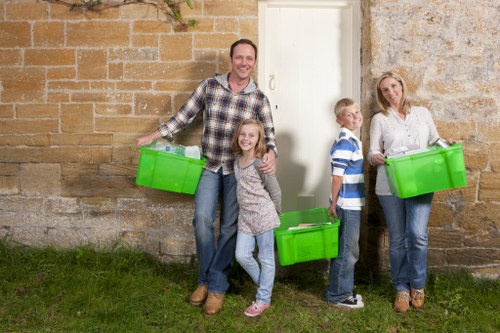
Alongside commercial waste, some clients also need help with clearance work that overlaps with stored items, surplus stock or mixed contents kept in garages, lofts or other back-of-house spaces. Our garage clearance, loft clearance and home clearance pages show related services that can be useful where a business or property contains accumulated items that are not part of day-to-day operations. These jobs often involve a combination of boxes, old fittings, broken items and material that needs sorting before removal.
For commercial premises, the value of this sort of clearance is that it can restore access and reduce clutter without requiring the client to manage each item separately. If the contents include a mixture of domestic and business waste, the right service depends on the main use of the space and the kind of materials involved. Some jobs are straightforward and contain mainly general waste; others require careful separation of furniture, appliances, documents or reusable goods. A clear description will help determine the most suitable page to use for the enquiry.
When you are ready to move from planning to action, use the service page that best matches the main waste type, then request a quotation with a brief outline of the items and access. If you want to start now, send the details for a quote and we can help identify the most suitable commercial waste option for your job.