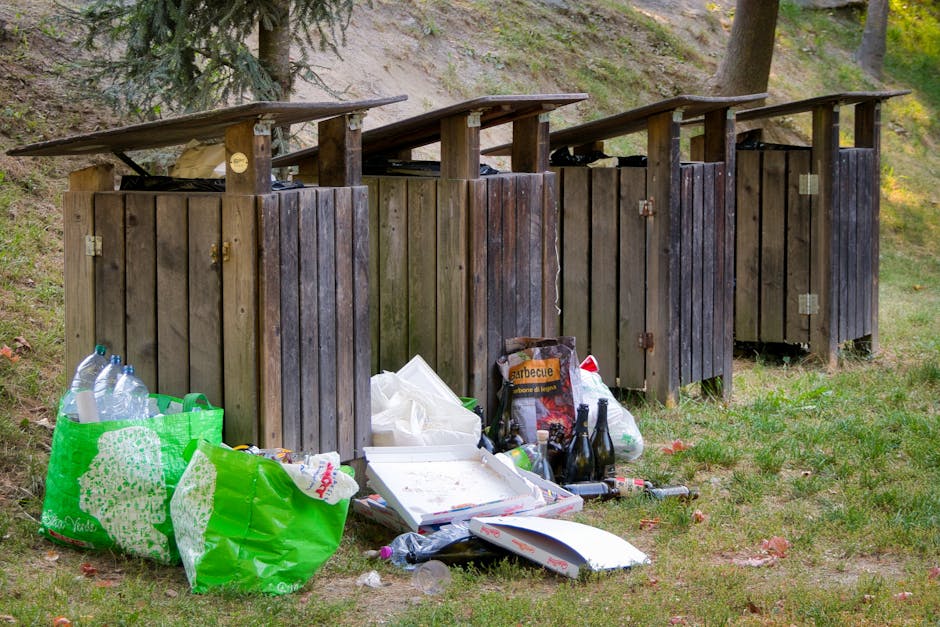
Rubbish collection near Northolt Park station quick service: a practical local guide
If you need rubbish collection near Northolt Park station quick service, you usually need it for one simple reason: the mess has stopped being manageable. Maybe the flat feels cramped, the builders have left a pile of offcuts, or you have a sofa blocking the hallway and the weekend is already disappearing. Whatever the situation, quick rubbish collection is about getting your space usable again without faffing about.
This guide explains how fast rubbish removal works near Northolt Park station, what to expect on the day, which items are commonly collected, and how to avoid delays. You will also find a checklist, a comparison table, and a realistic example so you can make a sensible decision without guesswork.
- Why quick rubbish collection matters
- How the service works
- Key benefits and practical advantages
- Who this is for and when it makes sense
- Step-by-step guidance
- Expert tips for better results
- Common mistakes to avoid
- Tools, resources and recommendations
- Law, compliance and best practice
- Options and comparison table
- Real-world example
- Practical checklist
- Conclusion
- Frequently asked questions
Why Rubbish collection near Northolt Park station quick service Matters
Quick rubbish collection is not just about speed for the sake of speed. Near a busy station area, timing matters because access can be tight, foot traffic can be constant, and nobody wants waste sitting around longer than necessary. A prompt collection helps keep paths clear, reduces stress, and makes it much easier to restore order in a home, flat, office, or rental property.
There is also the practical side. A small pile of waste can become a bigger problem surprisingly quickly. Cardboard starts spreading, furniture takes up turning space, and wet garden waste starts to smell if it sits too long. Truth be told, once rubbish starts drifting into the way you live or work, it tends to dominate everything. That is when a fast, organised service becomes genuinely useful.
For landlords, letting agents, tradespeople, and local businesses, quick clearance can help avoid delays between tenants, handovers, or deliveries. If you are managing a wider property clean-up, services such as home clearance, office clearance, or builders waste clearance can be especially useful when the waste is mixed and time-sensitive.
Expert summary: Near Northolt Park station, the best rubbish collection service is usually the one that combines speed with clear communication, safe handling, and sensible waste sorting. Quick is good. Quick and chaotic is not.
How Rubbish collection near Northolt Park station quick service Works
In simple terms, a quick rubbish collection service is designed to move from enquiry to removal with as little friction as possible. You describe what needs clearing, share photos if asked, receive a quote or estimate, agree a collection window, and the team arrives with the right vehicle and labour to remove the waste.
The process is usually straightforward, but the details matter. For instance, access near a station can affect how quickly items are carried out. A ground-floor flat with easy parking is one thing. A top-floor property with no lift is another. A good service will factor this in before arrival rather than springing surprises on you later. That saves everyone a headache.
Depending on what you need removed, the team may separate recyclable materials, bulky furniture, green waste, appliances, or general household junk. If the clearance involves a specific category, it helps to match the service to the waste type. For example, old sofas and beds are not treated the same as mixed household rubbish, and appliances need a bit more care. You can see that kind of service split through pages like mattress and sofa disposal or fridge and appliance removal.
Most importantly, quick service should still be safe, licensed, and tidy. A rushed job that leaves scraps behind is not really a service at all. It is just moving the mess around.
Key Benefits and Practical Advantages
People often search for fast rubbish collection because they need a problem solved now, but the benefits go further than convenience. The best quick service supports the whole rhythm of a home or business.
- Faster space recovery: rooms, hallways, and outdoor areas become usable again without waiting days.
- Less disruption: ideal for busy households, renters between tenancies, and businesses that cannot shut down for long.
- Bulky item removal: good for awkward items that are difficult to carry, store, or move on public transport.
- Cleaner presentation: useful before viewings, inspections, deliveries, or renovations.
- Reduced safety risks: fewer trip hazards, sharp edges, and blocked access routes.
- Better recycling outcomes: a structured collection makes it easier to separate reusable and recyclable items.
There is also a mental benefit, and it is not small. A cluttered flat or workspace can make the whole day feel off. Once the waste is gone, the room tends to breathe again. Sounds a bit dramatic, maybe, but anyone who has cleared a packed hallway at 8:00 on a damp London morning knows the feeling.
If sustainability matters to you, look for a provider that talks plainly about sorting and recovery. The recycling and sustainability page is a useful place to understand how waste can be handled with less going straight to landfill.
Who This Is For and When It Makes Sense
Quick rubbish collection near Northolt Park station makes sense for a wide range of people, and not all of them think of themselves as "having a rubbish problem" at first. It often starts with one awkward item, then grows into a proper job.
- Homeowners clearing a spare room, loft, garage, or garden.
- Renters needing a fast turnaround before moving out or after a flatshare change.
- Landlords and agents between occupancies or after leave-behind rubbish.
- Tradespeople needing builders' waste removed before the next stage of work.
- Local businesses dealing with packaging, broken office furniture, or stockroom clutter.
- Families doing a one-off clear-out after a house reorganisation or bereavement.
Sometimes the job is obvious: a broken wardrobe, three bin bags, and a mattress. Other times it is a mix of old toys, paperwork, boxes, a rusting garden chair, and things you meant to donate three months ago. Let's face it, homes collect stuff. That is just life.
If your situation is broader than a simple collection, related services such as flat clearance, house clearance, or garage clearance can be a better fit than asking for a basic rubbish pickup.
Step-by-Step Guidance
If you want the process to run smoothly, do a little preparation before the team arrives. Nothing extreme. Just enough to make the collection quick and clean.
- List what needs removing. Write down the items or take a few clear photos.
- Separate special waste. Put aside anything that may need specialist handling, such as chemicals, paint, batteries, or electrical items.
- Check access. Think about parking, stairs, lift access, narrow entrances, and any gate codes or entry restrictions.
- Choose the right service type. General rubbish, furniture, garden waste, and commercial waste may need different handling.
- Ask about timing. If you need quick service, confirm the earliest available window and how long the team expects the job to take.
- Review the quote. Make sure it reflects the type and volume of waste, plus any access issues.
- Clear a path. Move smaller items out of the way so collection can happen safely and efficiently.
- Walk through the job. When the team arrives, show them exactly what goes and what stays.
A small detail often helps a lot: label the items that stay. A sheet of paper on a wardrobe or a sticky note on a box can prevent confusion. It sounds almost too simple, but it works.
Expert Tips for Better Results
Quick collection works best when the booking is clear from the start. A vague description can slow everything down because the team may arrive with the wrong space allowance or not enough labour. Be specific where you can.
- Measure bulky items if they are large enough to be awkward through hallways or stairwells.
- Group similar waste together so furniture, cardboard, and general junk are easier to assess.
- Photograph everything in good light if you are requesting a quote remotely.
- Tell the team about access issues such as no parking, tight stairs, or limited lift hours.
- Keep hazardous items separate and ask whether they can be taken at all.
- Book slightly earlier than you think you need if the job is tied to a move, delivery, or rental handover.
One more practical point: if you are trying to clear a property with mixed waste, ask whether it is more efficient to book a larger removal rather than several tiny pickups. Multiple small jobs can become annoying and, oddly enough, sometimes cost more overall. Nobody enjoys that little surprise.
If you are comparing service quality, it can also help to review pages about insurance and safety and health and safety policy. Those details tell you a lot about how carefully a provider works.
Common Mistakes to Avoid
Most delays in rubbish collection happen because the job was not described properly, or because someone assumed all waste can go together. That assumption causes more trouble than people expect.
- Leaving out bulky items from the description. One large item can change the vehicle space needed.
- Mixing hazardous waste with general rubbish. Paint, solvents, and similar items usually require separate handling.
- Forgetting access restrictions. Narrow streets, parking limits, and stair-only access can all affect timing.
- Assuming appliances are all the same. Some items need special removal or treatment.
- Booking too late. If you need the space cleared before a deadline, cutting it fine is risky.
- Not checking what is included. Confirm whether lifting, loading, and disposal are all part of the quote.
There is also the very human mistake of underestimating how much "just a few bags" really is. A few bags in the hallway can become twelve bags in the hallway. Happens all the time.
Tools, Resources and Recommendations
You do not need special equipment to prepare for rubbish collection, but a few simple tools make life easier:
- Heavy-duty bin bags for loose household waste.
- Gloves if you are sorting sharp or dusty items.
- Marker pen and tape to label items that should stay.
- A phone camera to photograph the pile for a quote.
- Measuring tape for doors, stair widths, or large items.
- Boxes or tubs for small loose items so they do not scatter again.
If the waste is from a renovation, check whether your pile includes rubble, timber, plasterboard, or mixed building materials. In that case, builders waste clearance is the more suitable route. If you are unsure what can go into a skip, the page on what can go in a skip is a good plain-English reference point.
For business owners, it is also worth reviewing business waste removal if you are clearing stock, packaging, old fittings, or office clutter. The right service saves time and keeps the workday moving.
Law, Compliance, Standards, or Best Practice
Waste collection in the UK should be handled carefully. You do not need to become an expert in waste regulation to book a collection, but it helps to understand a few basics. Reputable providers should be able to explain how they manage waste responsibly, including sorting, transport, and lawful disposal routes where required.
As a customer, best practice is simple: do not leave hazardous items hidden inside mixed rubbish, and do not use a collector who cannot explain how different waste types are handled. If you are disposing of electricals, fridges, or items with potential contamination, ask a direct question. A good provider will answer clearly rather than waffle.
For business clients, record-keeping and proper segregation matter even more. Offices, shops, and workspaces often generate confidential paper, electrical items, or mixed waste streams. Pages such as confidential shredding and office clearance are useful signposts if your rubbish includes sensitive or commercial materials.
It is also sensible to check that the provider follows good safety and insurance practice. That protects you as well as the workers, especially if heavy items need to be carried from awkward spaces. No one wants scratched walls, damaged flooring, or a rushed lift job gone wrong.
Options, Methods, or Comparison Table
People often choose between a quick rubbish collection, a skip, or doing the job themselves. The best option depends on what you are clearing, how fast it needs to happen, and how much access you have.
| Option | Best for | Pros | Limitations |
|---|---|---|---|
| Quick rubbish collection | Urgent, mixed, or bulky waste | Fast, labour included, minimal effort from you | Needs clear access and accurate description |
| Skip hire | Longer projects with steady waste output | Good for ongoing renovation work | Takes space, may need permits, less flexible for bulky lifting |
| Self-disposal | Small amounts of easy-to-carry waste | Can seem cheaper at first | Time-consuming, physically tiring, not ideal for heavy or awkward items |
In practice, quick collection is often the most stress-free choice for station-area properties, flats, and short-notice clearances. A skip can work well for a bigger project, but if your waste is scattered across a room or mixed with old furniture, an uplift service is usually simpler.
Case Study or Real-World Example
Here is a typical local scenario. A tenant in a small flat near the station is moving out on a Friday afternoon. The property has a broken desk, two unwanted chairs, several bags of general rubbish, and a fridge that has stopped working. The hallway is narrow, and there is no real space to keep the items overnight.
Rather than trying to break everything down piece by piece, the tenant takes photos in the morning, asks for a quick collection, and gives clear access details. The team arrives with enough labour to move the heavier items safely, separates the fridge for proper handling, and clears the rest in one visit. The flat is left ready for the checkout clean. Simple, efficient, no drama.
That kind of job is exactly where quick rubbish collection earns its keep. It reduces the number of moving parts. And when you are already juggling a move, a final inspection, or a new tenancy start date, fewer moving parts is very welcome indeed.
Practical Checklist
Use this checklist before your collection day. It keeps things calm and avoids last-minute scrambling.
- Confirm which items are going and which are staying.
- Take photos of bulky waste from a few angles.
- Check whether any items are hazardous or need separate handling.
- Measure awkward furniture if access is tight.
- Make sure the collection area is reachable without major obstacles.
- Ask about the expected arrival window.
- Review payment terms and any booking conditions before confirming.
- Set aside important documents, valuables, and personal items.
- Keep pets and small children away from the work area during loading.
- Do a quick final walk-through before the team leaves.
If you are preparing for a larger clear-out, it can also help to look at loft clearance, furniture clearance, or garden clearance depending on where the clutter has built up.
Get a free quote today and see how much you can save.
Conclusion
Rubbish collection near Northolt Park station quick service is really about getting a practical job done properly, and fast. The best results usually come from clear communication, realistic timing, and a provider that knows how to handle mixed waste without fuss. If you prepare the pile, give honest access details, and choose the right service type, the process tends to feel much smoother than people expect.
Whether you are clearing a flat, removing old furniture, or dealing with business waste, the main goal is the same: regain space, reduce stress, and move on with your day. That little bit of breathing room can make a bigger difference than you think.
And once the last bag is gone and the room is quiet again, it is amazing how different everything feels. Honestly, a clean start can be a relief in itself.
Frequently Asked Questions
How quickly can rubbish be collected near Northolt Park station?
It depends on availability, the size of the job, and how clear the access is. If you need a fast turnaround, the best approach is to provide photos and a straightforward description as early as possible so the collection can be scheduled efficiently.
What types of rubbish can usually be collected?
Common items include general household rubbish, broken furniture, cardboard, garden waste, office clutter, and many bulky items. Some materials, such as hazardous waste or certain appliances, may need separate handling.
Is quick rubbish collection better than skip hire?
For many urgent or bulky clearances, yes. Quick collection is often better when you want the waste removed in one visit and do not want to do the lifting yourself. Skip hire can be better for longer projects with ongoing waste output.
Can I get rubbish removed from a flat with stairs only?
Yes, but it helps to mention the access conditions when you book. Stairs, narrow landings, and difficult parking can all affect the time needed, so it is best to be upfront about them.
Do I need to sort everything before the collection?
Not always, but some basic sorting is helpful. Separate anything hazardous, confidential, or especially delicate. If the waste is mixed, just make that clear so the team knows what they are dealing with.
What happens to the rubbish after it is collected?
Usually it is taken for sorting, recycling, or lawful disposal depending on the waste type. Reputable services aim to recover as much as practical rather than sending everything to landfill. The exact method depends on the material.
Can old furniture be taken away with general rubbish?
Often yes, but large furniture is usually easier to manage through a dedicated clearance service. If you have sofas, wardrobes, or beds, a furniture-focused service may be the cleaner option.
Are fridges and other appliances accepted?
They may be, but appliances usually need specialist handling. Items like fridges, freezers, and washing machines should be mentioned in advance so they can be collected appropriately.
Is rubbish collection suitable for businesses near the station?
Yes. Offices, shops, and small commercial spaces often need fast collection for packaging, office furniture, stockroom waste, or end-of-tenancy clearances. For that, business waste removal is often the right starting point.
How do I avoid surprise charges?
Give a clear description, include photos, mention access problems, and ask what is included in the quote. Surprises usually come from missing details rather than the waste itself.
Can rubbish be collected the same day?
Sometimes, yes, if a slot is available and the job is described clearly. Same-day work is easiest when access is simple and the collection team knows exactly what needs taking away.
What if I have confidential papers or sensitive office waste?
Keep those items separate and ask about secure handling. Confidential materials should never be left mixed in with ordinary rubbish if you want proper control over disposal.
Should I choose a company that talks about insurance and safety?
Yes, absolutely. Heavy lifting, awkward access, and bulky waste all carry some risk. A provider that explains their safety approach gives you more confidence that the job will be handled properly.